
Improving the scientific validity of facial identification in real-world conditions.
Training in facial identification is often focused on basic concepts or vendor-specific tool use.
In practice, the real challenge is ensuring that decisions are accurate, consistent, and scientifically valid when applied to real-world material.
My three-tiered training programme addresses this gap. It is grounded in operational experience, research, and international guidance, and is designed to improve the quality of decision-making in practice.
The training is structured to reflect how facial identification works in practice, from foundational principles, through sources of variation, to evaluation and interpretation of evidence.
Applied Facial Identification Programme
Tier 1: Foundations
Foundations of forensic face identification
Tier 2: Imaging & variation
Image processing & analysis for forensic face identificationcation
Pose & perspective in forensic face identification
Developmental & age-related changes in forensic face identification
Tier 3: Evaluation & interpretation
Evidence evaluation workshop for forensic face identification
What makes this training different
This is not limited to entry-level or vendor-led training. It is designed for practitioners and professionals working in facial identification who want to improve the validity and reliability of their decisions in practice.
Focused on real-world conditions, reflecting the challenges of operational work, including image quality, facial variability, and uncertainty.
Vendor agnostic, without dependency on specific tools and systems, and focused instead on the key principles of facial identification decision-making.
Grounded in scientific evidence and good practice, including academic research and guidance from organisations such as ENFSI and FISWG.
Designed for novices and experienced practitioners, moving beyond simple ideas to address the complexities of real-world facial identification.
What this training develops
The training develops knowledge and competency in the following areas:
Evidence-based facial comparison methods
Working with AI and biometric systems
Understanding facial variability and image quality
Decision-making under uncertainty
Common sources of error and bias
Appropriate and defensible interpretation and communication of conclusions
Who this training is for
This training is designed for practitioners working in facial identification and related roles, including:
Forensic facial comparison
Policing and intelligence analysis
The deployment and operation of AI and biometric systems
Any organisation where facial identification informs critical decision-making
Tier 1: Foundations
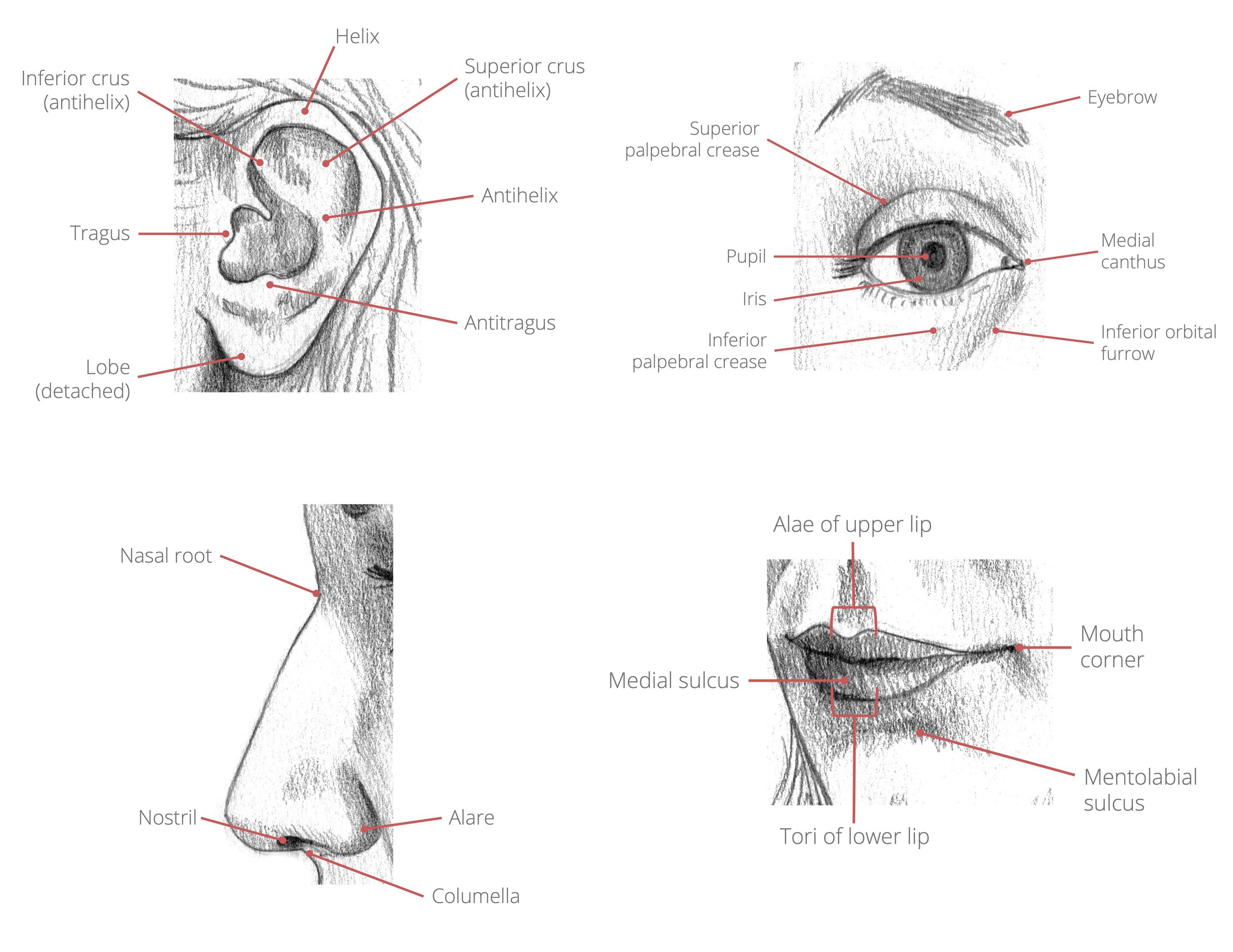
Foundations of forensic face identification
This course provides a structured introduction to forensic facial identification, grounded in practical experience, research and established best practice.
This in-person course covers the key principles of human and biometric facial identification, including facial morphology, image processing, face perception, biometric systems, and facial image comparison methods.
The focus is on building a foundation for accurate and consistent decision-making, particularly under real-world conditions where image quality, variability, and uncertainty affect outcomes.
Delivered in person, the course can be tailored from one to three days depending on requirements.
Tier 2: Imaging & variation
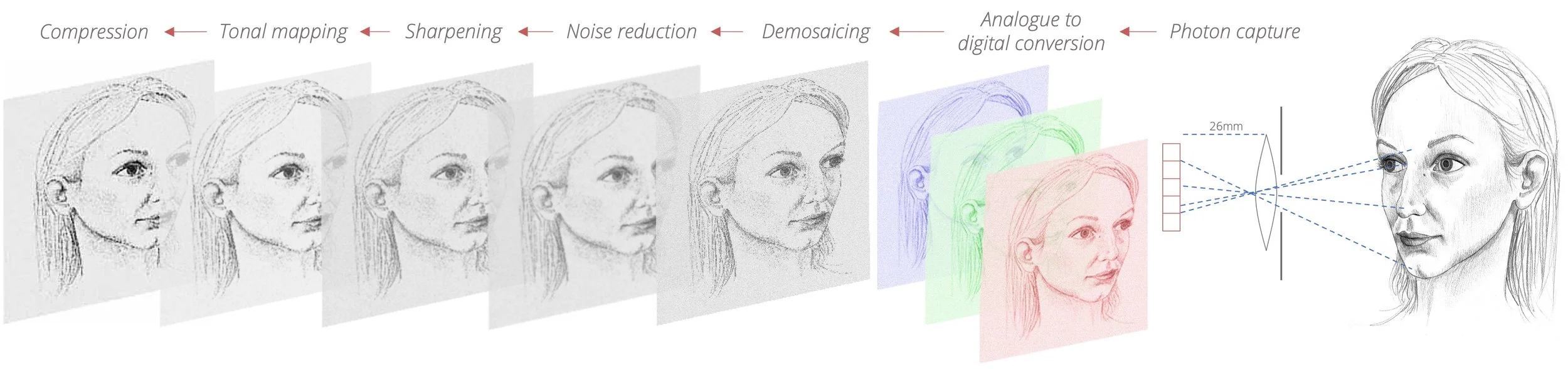
Image processing & analysis for forensic face identification
This course helps practitioners understand how image processing impacts the validity of facial identification decisions
This two-day, in-person course develops the knowledge and skills required to analyse and process facial imagery in forensic contexts, grounded in how images are encountered in real-world casework.
It covers the principles of digital image capture and the application of image processing techniques, with a focus on how these influence the interpretation and comparison of facial images.
The emphasis is on understanding how image processing affects the quality, reliability, and validity of facial identification decisions, particularly under conditions of variable image quality and uncertainty.
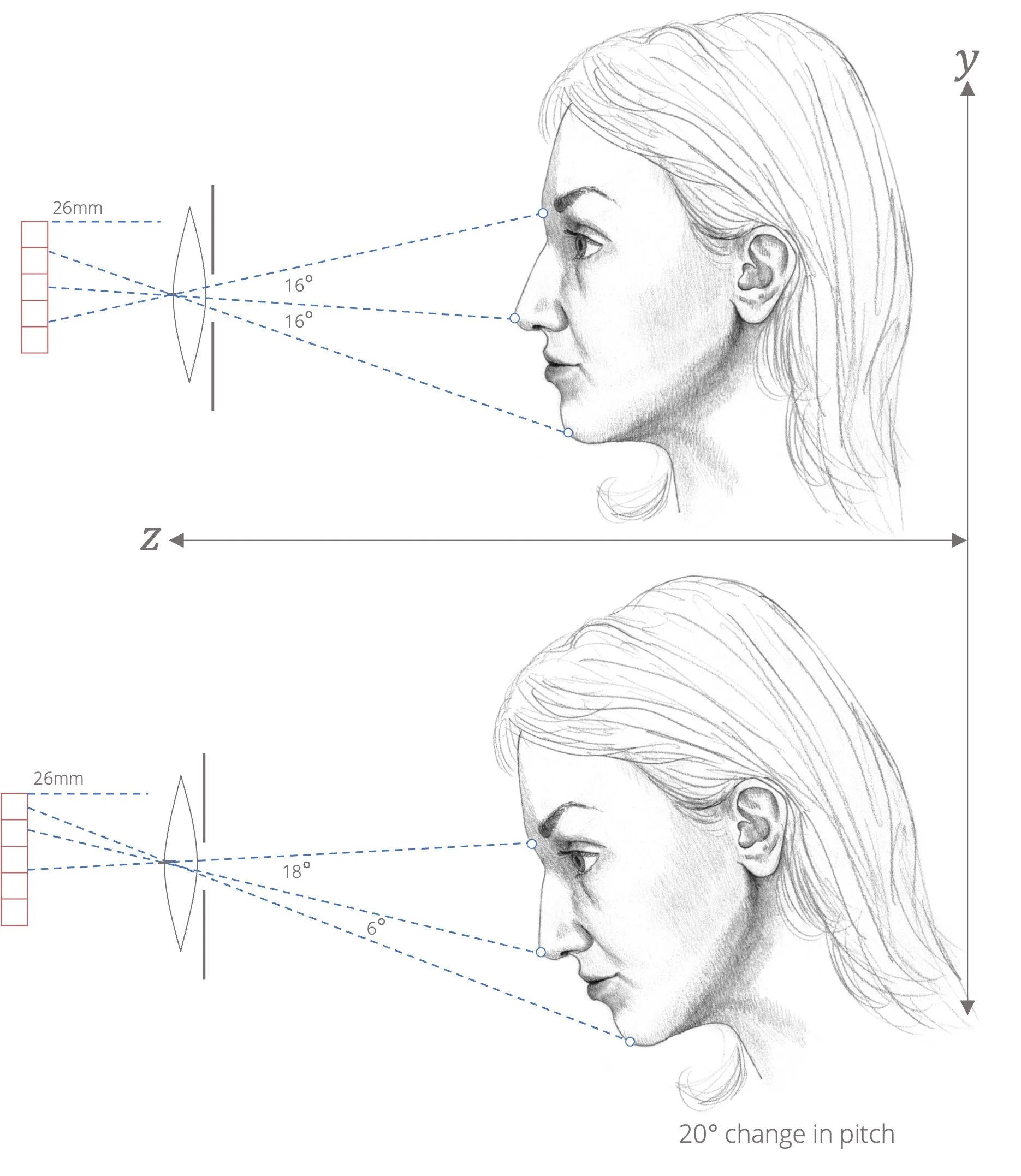
Pose & perspective in forensic face identification
This course emphasises recognising when differences are due to pose and perspective, rather than identity.
Variation in pose and perspective can significantly alter the appearance of facial features, making reliable comparison difficult in real-world conditions.
This two-day, in-person course develops an understanding of how changes in pitch, roll, and yaw, as well as subject-to-camera distance and lens distortion, affect facial morphology and image interpretation.
The focus is on how pose and perspective influence the accuracy and validity of facial identification decisions when working with uncontrolled or variable imagery.
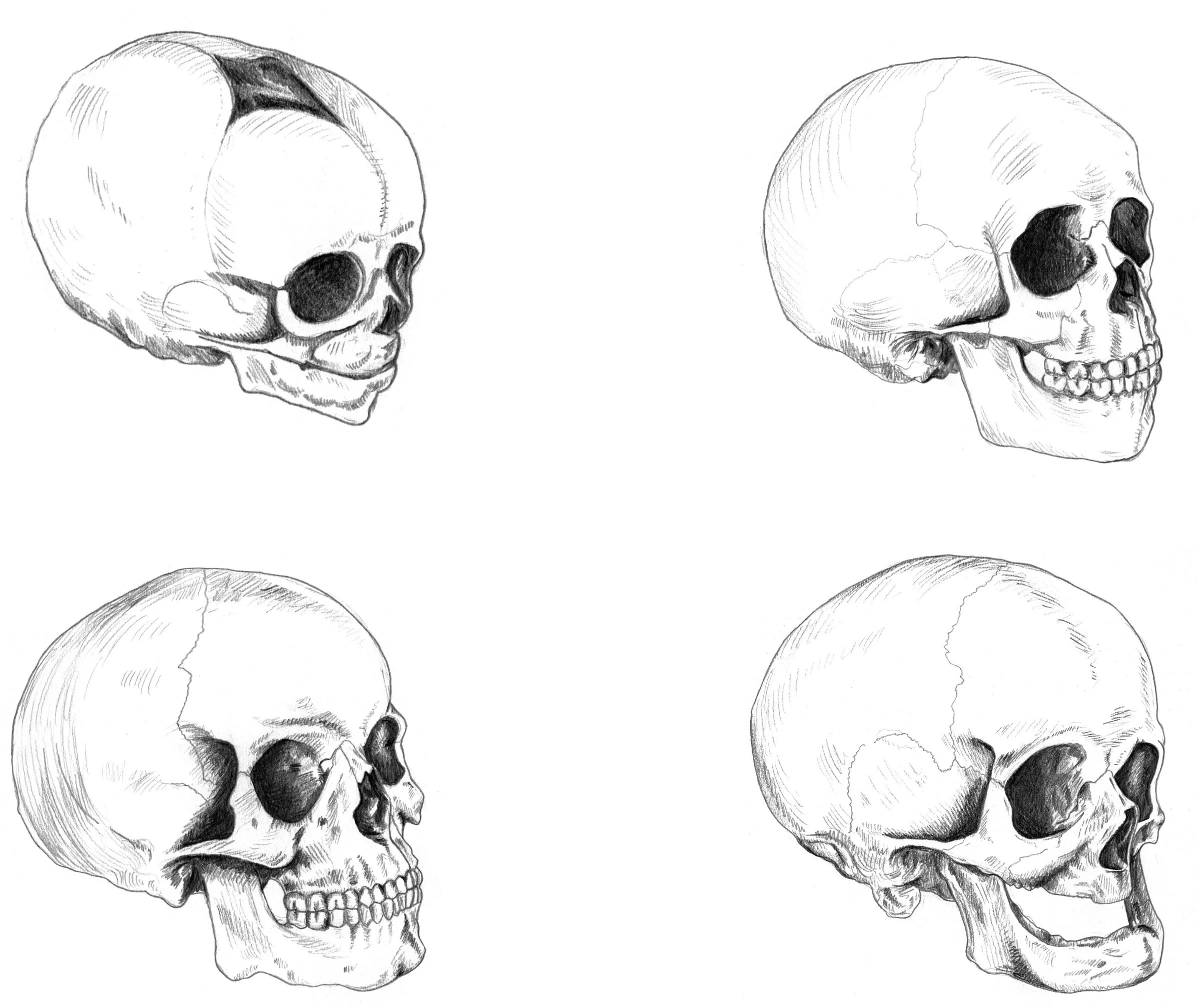
Developmental & age-related changes in forensic face identification
Age-related variation is a major source of error and this course helps practitioners handle it reliably in practice.
Facial appearance changes over time, from the rapid and structured changes seen in juvenile development to the more gradual and variable changes associated with ageing in adults.
This one-day, in-person course develops an understanding of how these changes affect facial morphology and the comparison of images taken at different points in time.
The focus is on how age-related variation influences the accuracy and validity of facial identification decisions, particularly when comparing images with significant temporal differences.
Training includes both taught and practical elements, supporting the application of these principles in real-world comparison tasks.
The course emphasises distinguishing between changes due to ageing and differences in identity.
Tier 3 - Evaluation & interpretation
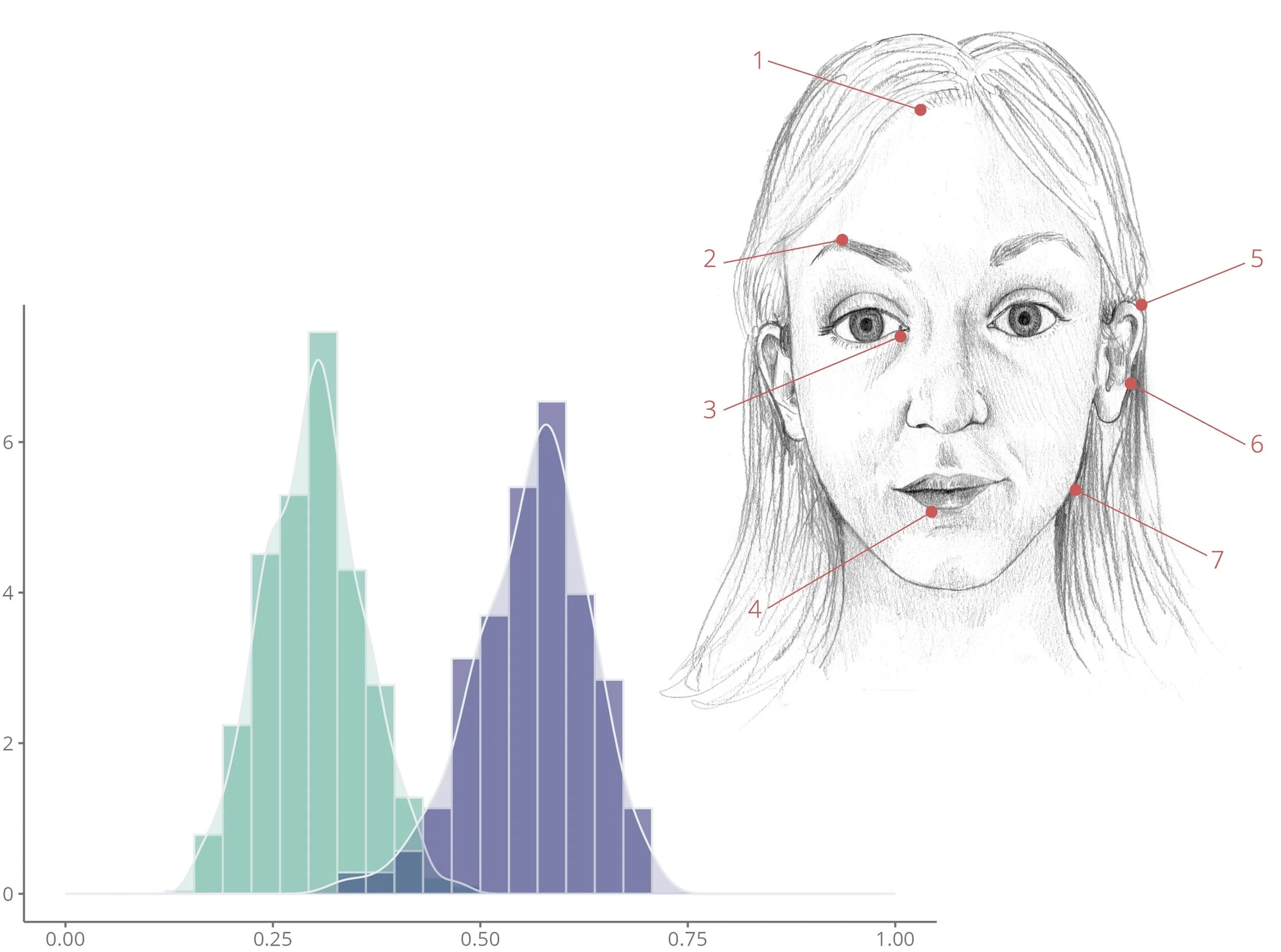
Evidence evaluation workshop for forensic face identification
Ensuring that conclusions accurately reflect the strength of the evidence
This two-day, in-person workshop focuses on the evaluation and interpretation of evidence in forensic facial identification.
It develops an understanding of how conclusions about identity are formed, and how the strength of evidence can be assessed using both qualitative and quantitative approaches.
The workshop covers structured methods for evaluating facial comparison findings, as well as quantitative approaches to evidence evaluation, including score-based likelihood ratios derived from automated facial recognition systems.
The emphasis is on ensuring that conclusions accurately reflect the underlying evidence, supporting valid and reliable decision-making in practice.
Get In Touch
If your work depends on accurate and reliable facial identification, I can help develop the capability required to ensure decisions are scientifically valid in practice.
I can also provide bespoke training designed for specific needs, including:
internal processes
casework requirements
integration with existing systems or workflows
Click here to see the terms & conditions for our training courses.