
Training courses
Tier 2: Imaging & variability
Developmental & age-related changes in forensic face identification
What you will learn
This in-person course provides an in-depth understanding of how facial appearance changes over time, and how these changes affect the reliability of facial comparison in practice.
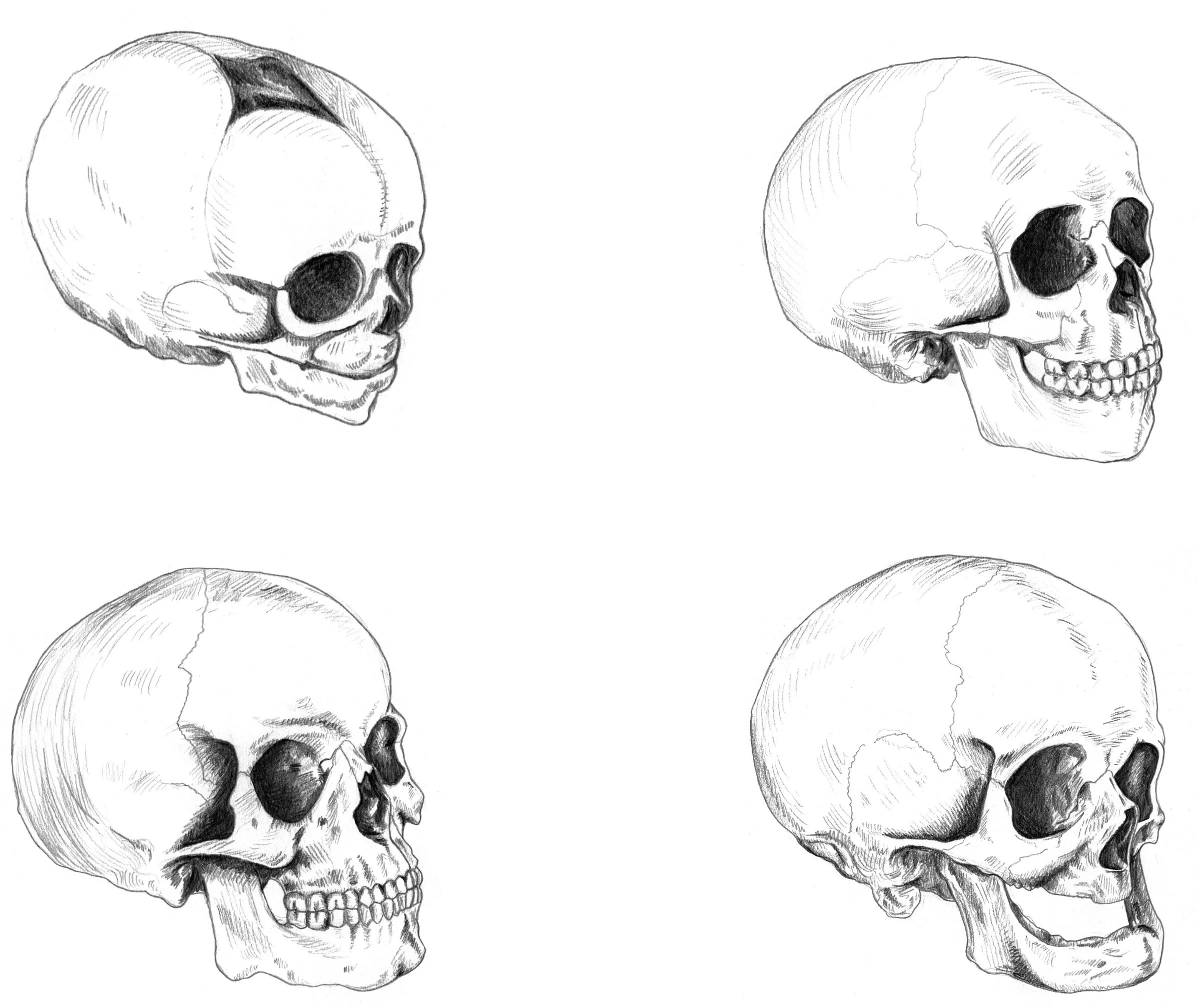
The course examines both juvenile development and adult ageing, focusing on how morphological changes influence the analysis and interpretation of facial features, particularly when comparing images separated by time.
Participants will develop:
Understanding of morphological changes in facial features caused by juvenile development
Knowledge of patterns and rates of facial development during childhood and adolescence
Understanding of morphological changes associated with adult ageing
Knowledge of how ageing affects the permanence and variability of facial feature detail
Awareness of environmental and lifestyle factors that influence facial ageing
Participants will also develop practical skills in:
Assessing the impact of age-related changes on facial feature appearance
Analysing and comparing faces with age-separated imagery
Interpreting differences in appearance over time
Understanding when age-related changes limit the reliability of conclusions
Content
The course is delivered in person over two days and combines taught content with practical exercises using operational-style imagery.
The focus is on understanding how ageing affects the interpretation of facial features, and how this influences decision-making in real-world facial comparison tasks.
Prerequisites
Attendees should be confident in applying morphological analysis and comparison to uncontrolled facial imagery.
Attendees will require a laptop with software for viewing and comparing facial imagery.
Please get in touch for a quote.