
What you will learn
This in-person course provides a structured introduction to forensic facial identification, focused on developing the knowledge and skills required to make accurate and consistent decisions in practice.
The course covers the key principles of human and biometric facial identification, including how image quality, facial variability, and contextual factors affect the analysis and comparison of facial imagery.
Participants will develop:
Understanding of how familiar and unfamiliar face recognition differs in practice
Awareness of common use-cases and terminology in biometric facial identification
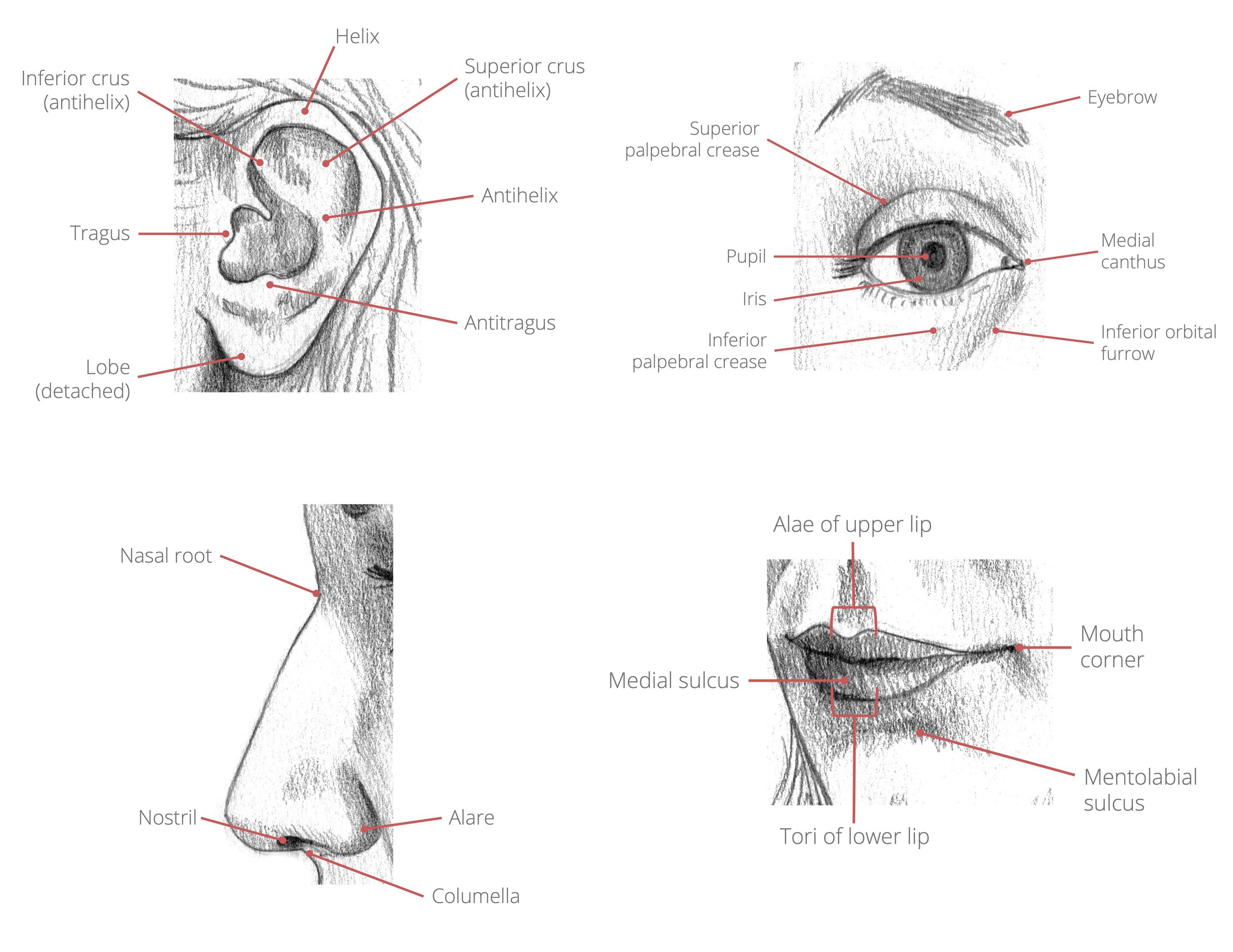
Knowledge of facial feature morphology, including sub-feature and fine detail
Understanding of how image quality, environmental conditions, and subject variability affect facial appearance
Knowledge of common facial comparison methods and their limitations
Understanding of case management and quality control processes in forensic face examination
Participants will also develop practical skills in:
Morphological analysis, comparison, and evaluation of facial imagery
Applying image processing techniques to support analysis
Managing contextual information in casework
Applying quality control procedures, including blind verification
Content
The course is delivered in person over one to three days and combines taught content with practical exercises using realistic imagery and case-based scenarios.
The focus is on applying principles in real-world conditions, where image quality, variability, and uncertainty affect outcomes.
Prerequisites
Attendees will require a laptop with software for viewing and comparing facial imagery.
Please get in touch for a quote.